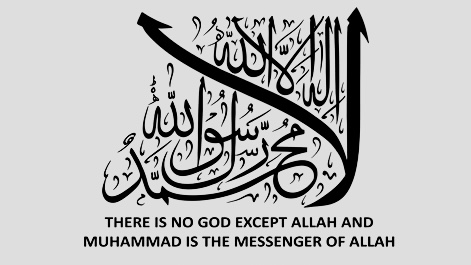
Practicing Islam involves following the core pillars of faith and engaging in daily and annual practices. These include believing in one God, praying five times a day, giving to charity Annually depends on Profits, fasting during Ramadan, and making a pilgrimage to Mecca (Hajj) if able.
Here’s a more detailed look:
The Five Pillars of Islam:
- Shahada (Declaration of Faith): there is no god but ALLAH and Muhammad is his messenger. This is the foundation of Islam and the first step for anyone wishing to convert.
- Salat (Prayer):pray five times a day, facing the direction of the Kaaba in Mecca. This involves specific rituals, including ablution (cleansing), and reciting verses from the Quran.
- Zakat (Charity):.Muslims are required to give a portion of their wealth to those in need, typically 2.5% of their annual savings if it pass a certain amount.
- Sawm (Fasting):.During the month of Ramadan, Muslims abstain from eating and drinking from dawn to sunset.
- Hajj (Pilgrimage):.Opens in new tabIf physically and financially able, Muslims are required to make a pilgrimage to Mecca at least once in their lifetime if they are able to.
Other Practices:
- Daily Practices:Muslims may engage in additional acts of worship, such as reading the Quran, making dua (supplication), and following the example of the Prophet Muhammad (Sunnah).
- Avoiding Forbidden Acts:Islam prohibits certain actions like gambling, usury, and consuming pork or alcohol.
- Observing Ramadan:The month of Ramadan is a time of intense prayer, fasting, and reflection.
- Eid Celebrations:Muslims celebrate Eid al-Fitr (the end of Ramadan) and Eid al-Adha (the culmination of the Hajj).
Learning and Growing:
- Study the Quran:Reading and reflecting on the Quran is a fundamental part of Islamic practice.
- Seek Knowledge:Studying Islamic teachings and traditions is encouraged to deepen understanding and practice.
- Attend Mosques:Participating in communal prayer and learning at a local mosque can foster a sense of community and deepen faith.
- Seek Guidance:Consulting with knowledgeable scholars or religious leaders can provide guidance on specific issues and practices.
 The Straight Path الصراط المستقيم